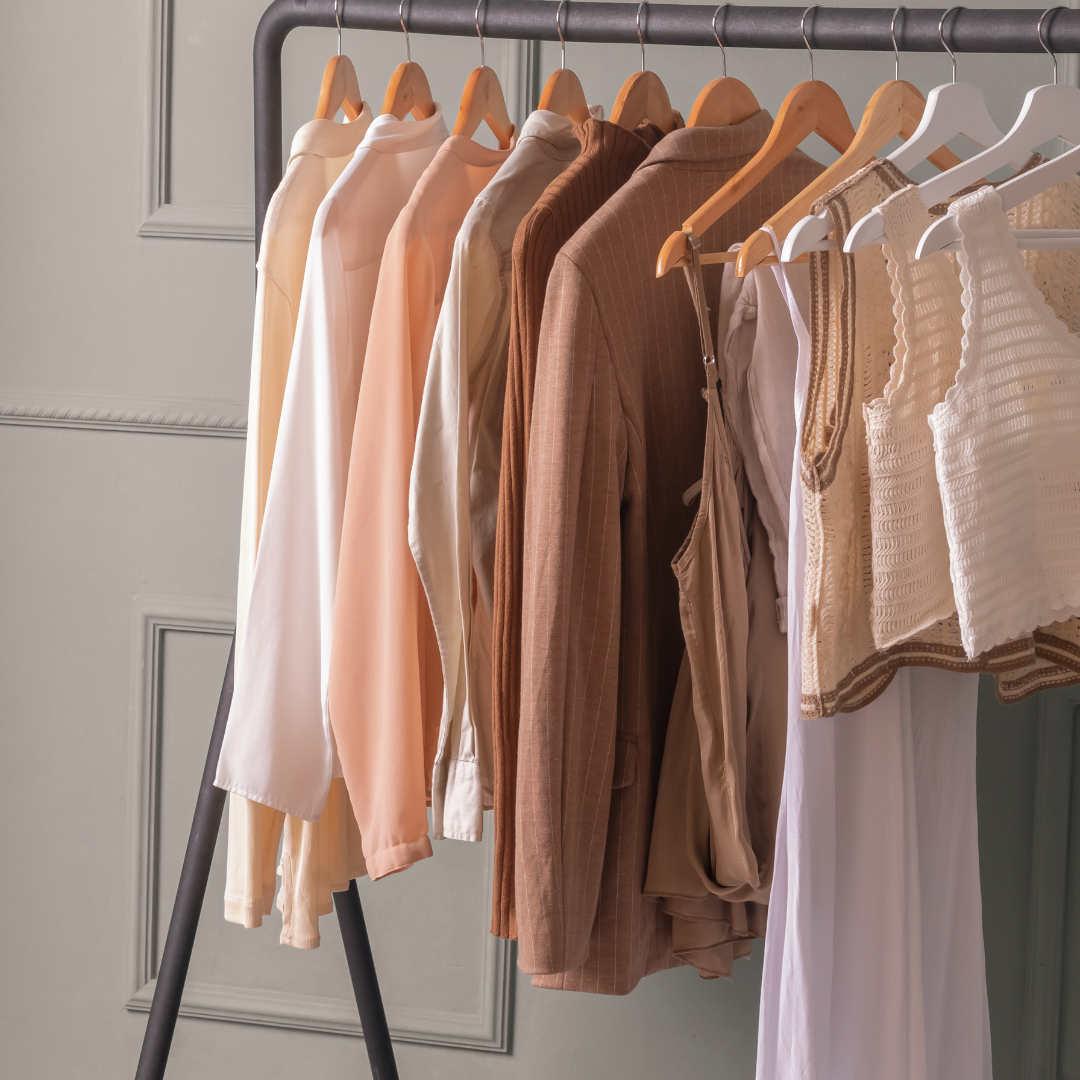
Refreshing a wardrobe doesn’t have to break the bank. By incorporating a few simple strategies, anyone can revitalise their clothing collection without spending a fortune. From swapping clothes with friends to exploring second-hand stores, there are numerous budget-friendly options available.
A smart approach involves assessing what items are genuinely needed versus those that simply take up space. By identifying key pieces that can be mixed and matched, one can create a versatile wardrobe that feels new and exciting. Thrift shops and online marketplaces often provide a treasure trove of unique finds at a fraction of retail prices.
Embracing creativity can also lead to significant savings. Upcycling old garments or accessorising with inexpensive items can breathe new life into familiar outfits. With a bit of imagination, refreshing a wardrobe on a budget becomes an achievable and enjoyable task.
Evaluate and Edit Your Wardrobe
An effective wardrobe refresh begins with evaluating and editing existing clothing items. This process enables an individual to identify essential pieces, understand personal style preferences, and apply a decluttering method like the capsule wardrobe approach.
Identify Wardrobe Basics
Identifying wardrobe basics is crucial for creating a functional and versatile collection. Key basics often include plain t-shirts, well-fitted jeans, a classic blazer, and neutral shoes. These items serve as the foundation for various outfits and can be dressed up or down.
To determine which basics are needed, one can create a list of must-have pieces. By assessing what is frequently worn and what provides flexibility in outfit combinations, individuals can make informed decisions on items to keep. This evaluation simplifies getting dressed and reduces decision fatigue.
Recognise Personal Style Preferences
Recognising personal style preferences helps individuals curate a wardrobe that reflects their taste. This process involves understanding colour palettes, patterns, and styles that resonate on a personal level. One should consider what pieces bring joy and confidence when worn.
To uncover personal style, individuals can seek inspiration from fashion magazines, social media platforms, or influencers. Keeping a mood board can help visualise this style. Ultimately, the goal is to curate a wardrobe filled with items that feel authentic to one’s identity.
Declutter Using the Capsule Wardrobe Approach
The capsule wardrobe approach simplifies clothing choices and reduces excess. This method focuses on limiting the number of items while ensuring that each piece is versatile. A typical capsule wardrobe contains around 30-40 pieces, including clothing, shoes, and accessories.
Individuals can start by selecting items from their existing wardrobe that align with their identified basics and personal style. The remaining pieces can be assessed for their fit and functionality. This decluttering not only refreshes the wardrobe but also highlights gaps that need filling, ensuring any future purchases are intentional and useful.
Strategic Shopping on a Budget
Strategic shopping requires a methodical approach to refreshing a wardrobe without overspending. By selecting the right sources and focusing on quality, individuals can achieve a stylish look while staying within budget.
Shop Consignment and Second-Hand
Shopping at consignment shops and second-hand stores offers a cost-effective way to find unique pieces. These locations often stock high-quality items for a fraction of the retail price.
When browsing, individuals should come prepared with a clear idea of what they need. It is useful to regularly visit these shops, as inventory changes frequently.
Many consignment stores also curate their selections, ensuring a level of quality. By developing relationships with shop owners, customers may receive insider tips on new arrivals, giving them a first look at potential wardrobe updates.
Prioritise Quality Fabrics in Staples
Focusing on quality fabrics can significantly enhance the longevity of wardrobe staples. Cotton, linen, wool, and certain blends tend to wear well over time and retain their shape and colour.
Investing in higher-quality basics can save money in the long run, as they often require fewer replacements. Natural fibres are generally more breathable and comfortable too.
When purchasing, it is wise to check care instructions. Understanding maintenance needs can help individuals make smarter choices, ensuring that garments remain vibrant and presentable for years.
Avoid Fast Fashion Pitfalls
Fast fashion can be tempting due to its low prices, but it often leads to poor quality and rapid turnover. Items are typically made from lower-quality fabrics, which can result in quick degradation.
Instead of succumbing to fleeting trends, individuals should consider timeless pieces that offer versatility. Basic items that can be mixed and matched often provide more wear and value.
Before making a purchase, consider whether an item will still be desirable in the following seasons. Prioritising longevity over trendiness can lead to a more sustainable wardrobe and less waste in the long term.
Refreshing Your Wardrobe with Affordable Techniques
Updating a wardrobe doesn’t have to break the bank. By utilising accessories, experimenting with layering, and mixing neutral colours, individuals can effectively renew their style without significant expense. Each approach offers versatility and creativity, making it easy to refresh a collection.
Utilise Accessories to Transform Outfits
Accessories can dramatically change the look of any outfit. A simple addition of a scarf, statement necklace, or eye-catching belt can elevate a basic ensemble.
- Scarves: These can add colour and texture. Try using them around the neck or as a hair accessory.
- Jewellery: Opt for bold pieces to draw attention. Mix metals for a trendy aesthetic.
- Bags and Shoes: Switching to a different bag or shoes can refresh an entire look. Consider vibrant colours or unique designs.
It’s easy to shop second-hand or explore budget-friendly retailers for stylish accessories. They provide the opportunity to express individuality and creativity.
Experiment with Layering for Versatility
Layering promotes a versatile wardrobe that adapts to different settings. By combining various pieces, individuals can transition outfits from casual to formal effortlessly.
- Basics: Start with basic tees or blouses as a foundation. They serve as a versatile base.
- Outerwear: Pair jackets or cardigans with dresses and trousers for added depth. A denim jacket can complement many styles.
- Textures: Mixing textures—like knits with silk—creates visual interest.
Layering also extends the wearability of seasonal clothing, allowing items to be used year-round.
Mix and Match Neutral Colours
Neutral colours are incredibly versatile, providing a foundation for various outfits. Incorporating a mix of these tones enables endless combinations.
- Wardrobe Essentials: Invest in staples like beige, grey, and black pieces. They serve as a canvas for bold accents.
- Combine Tones: Pairing different shades of neutrals can create a sophisticated look. For example, light grey trousers with a cream top achieve an elegant appearance.
- Pop of Colour: Mix in vibrant accessories with neutrals for a balanced effect. This draws attention while maintaining a polished look.
Using a neutral palette allows for easy transition between casual and professional settings.