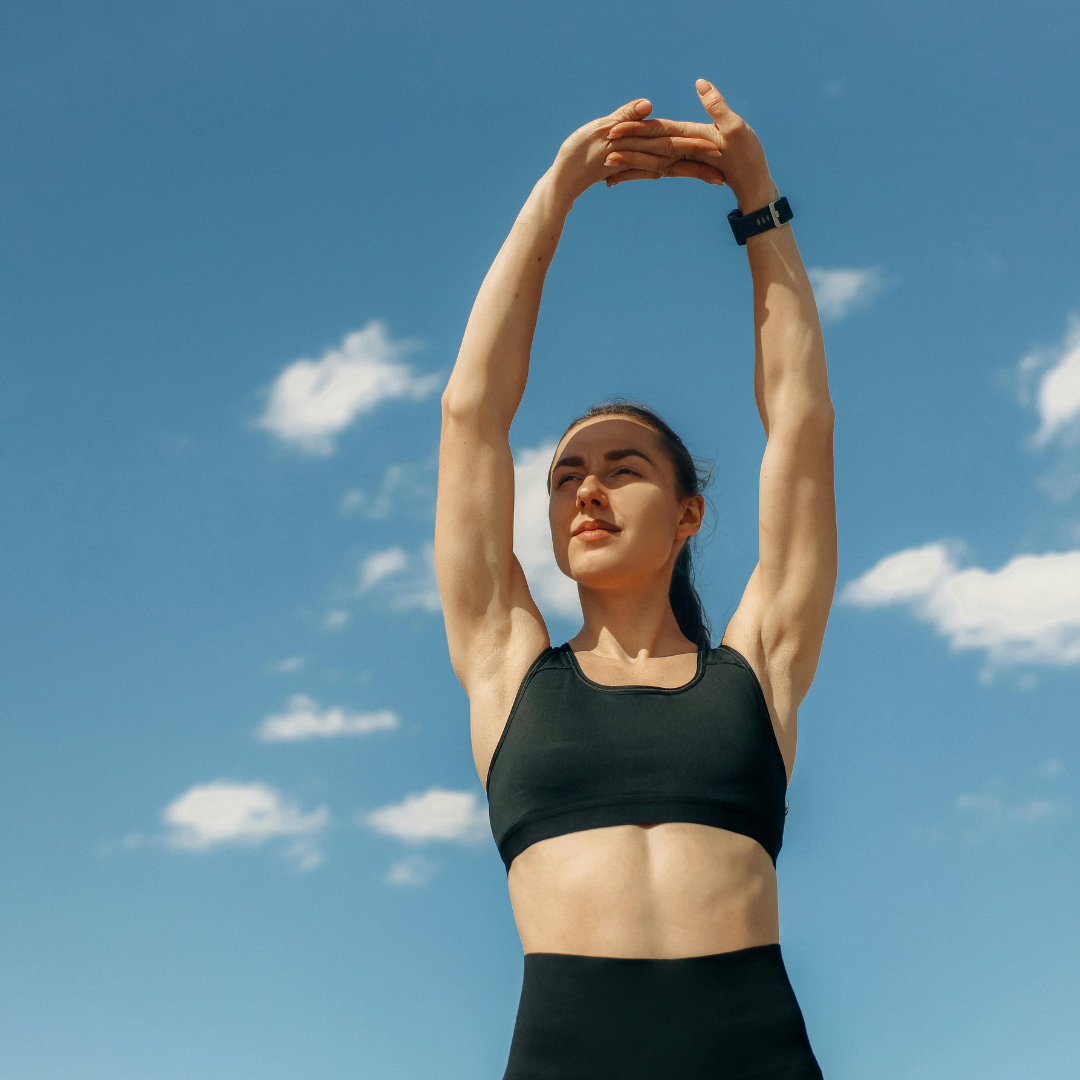
After a long workday, muscle tension can build up, leading to discomfort and fatigue. Incorporating stretches into the evening routine can significantly alleviate this strain and promote overall well-being. The best stretches not only enhance flexibility but also relieve muscle pain and improve health.
Individuals can target key areas that often hold tension, such as the neck, shoulders, and lower back. Simple stretches, like the neck tilt and seated forward bend, can provide immediate relief and relaxation. By dedicating just a few minutes to post-workday stretching, they can notice improved comfort and reduced stress.
Establishing a regular stretching routine can yield long-term benefits such as enhanced posture and greater mobility. This practice fosters a sense of mindfulness, helping to transition from a busy workday to a peaceful evening. The right stretches can transform the way individuals feel at the end of their day.
Why Post-Workday Stretching Matters
Engaging in post-workday stretching plays a crucial role in enhancing physical well-being. This practice addresses flexibility, mobility, and the negative impacts of prolonged sitting. It is essential for maintaining health and minimising discomfort after long hours at a desk.
Improving Flexibility and Mobility
Regular stretching after work can significantly improve flexibility and mobility. Flexibility allows muscles and joints to move freely, reducing the risk of injury. A few targeted stretches help elongate tight muscles, ensuring they function optimally. Stretching can also improve posture by loosening tight muscles and allowing the spine to stay in better alignment. For instance, when muscle tension and poor posture persist despite regular stretching, additional guidance can help reinforce proper alignment and movement habits. To correct this, one can go through reliable resources for posture correction, such as https://bestforwardheadposturefix.com/, which can provide routines to help correct forward head posture and strengthen supporting muscles.
Incorporating stretches like hamstring and quadriceps stretches enhances range of motion. Increased mobility can lead to better performance in physical activities outside of work. As flexibility improves, daily tasks such as bending and lifting become easier, contributing to functional fitness.
Reducing Muscle Pain and Strain
Post-workday stretching is effective in alleviating muscle pain and strain. When muscles are contracted from prolonged sitting, they can become tense. Stretching helps release built-up tension, reducing discomfort experienced in areas like the lower back, neck, and shoulders.
Targeted stretches can also improve blood circulation, promoting recovery by delivering necessary nutrients to the muscles. Consistent practice helps prevent injuries caused by muscle tightness. Individuals report feeling less soreness, leading to an enhanced quality of life.
Combating the Effects of Sitting for Long Periods
Sitting for long periods can have detrimental effects on the body, contributing to tightness and discomfort. Stretching combats these effects by promoting blood flow and flexibility. It counteracts the stiffness that arises from sedentary behaviour.
Incorporating stretches for the hip flexors and spine can alleviate the pressure created by sitting. However, when discomfort begins to radiate from the lower back into the legs, it may indicate something beyond simple muscle tightness. Nerve-related pain often travels, presenting as sharp, tingling, or pins-and-needles sensations. This can stem from several causes, such as a herniated or slipped disc pressing on nearby nerves, spinal stenosis narrowing the spinal canal and irritating nerve roots, or piriformis syndrome, where a tight hip muscle compresses the sciatic nerve.
In some cases, it may be general nerve irritation rather than a formal diagnosis. When these symptoms persist, exploring options like sciatica treatment NJ or elsewhere can help address the underlying issue, while stretching continues to support overall mobility and recovery.
Essential Stretches to Relieve After-Work Tension
After a long workday, the body often holds onto tension, particularly in the back, hips, shoulders, and legs. Targeted stretches can help alleviate discomfort and restore flexibility. Here are key stretches to consider.
Child’s Pose for Back and Spine Relief
Child’s Pose is a restorative stretch that targets the back and spine. It allows for gentle elongation, which can alleviate discomfort caused by prolonged sitting.
To perform this stretch:
- Kneel on the floor with your toes touching and knees apart.
- Sit back on your heels, then extend your arms forward on the floor.
- Relax the forehead on the mat, breathing deeply for 30 seconds to a minute.
This position helps to decompress the spine, relieve tension in the lower back, and promote relaxation. Regular practice of Child’s Pose can improve posture and create a sense of calm.
Hip Flexor Stretch for Lower Body Comfort
The hip flexors often become tight from sitting for extended periods. A dedicated stretch can enhance lower body comfort and increase flexibility.
To perform the hip flexor stretch:
- Kneel on one knee with the other foot in front, forming a 90-degree angle.
- Push the hips forward gently while keeping the back straight.
- Hold the position for 20-30 seconds and switch sides.
This stretch opens the hip area, reducing tightness and improving mobility. Regularly incorporating this stretch may help alleviate discomfort from sedentary work and enhance the overall range of motion.
However, while hip flexor stretches are beneficial for addressing muscular tightness, not all hip discomfort is muscle-related. Sometimes, pain in the hip area can stem from nerve issues rather than the muscles themselves.
For instance, compression or irritation of the sciatic nerve near the lower back or buttocks can lead to sciatic pain in your hip. This type of pain often radiates down the leg and may be accompanied by numbness or tingling, distinguishing it from conditions like arthritis or bursitis. Therefore, identifying the underlying cause of hip pain by consulting a reliable medical professional is essential for effective treatment and long-term relief.
Shoulder Stretch to Ease Upper Body Tightness
Shoulder tightness is common, especially after long hours at a desk. A simple shoulder stretch can release tension and improve mobility.
To perform the shoulder stretch:
- Stand or sit up straight with feet shoulder-width apart.
- Reach one arm across the body, holding it with the opposite hand.
- Gently pull the arm closer to the body, holding for 15-30 seconds before switching sides.
This stretch can help alleviate tightness and improve posture by promoting better shoulder alignment. Incorporating it into an after-work routine can lead to a more relaxed upper body.
Standing Quad Stretch for Improved Range of Motion
The standing quad stretch targets the front of the thighs, beneficial for those who sit for long periods.
To perform the standing quad stretch:
- Stand on one leg, using a wall or chair for balance if needed.
- Bend the opposite knee, bringing the heel towards the glutes.
- Hold the ankle with the hand, pulling gently to deepen the stretch. Hold for 20-30 seconds before switching sides.
This stretch improves flexibility in the quadriceps and helps reduce tightness around the hips and lower back. Regular practice enhances range of motion and supports overall leg function.
Enhancing Recovery With Complementary Techniques
Incorporating techniques alongside stretching can amplify the benefits of recovery after a long workday. Specific approaches can enhance relaxation and flexibility, while others provide guidance on when professional assistance may be beneficial.
Incorporating Yoga Poses for Deeper Relaxation
Yoga poses such as Child’s Pose, Cat-Cow Stretch, and Forward Bend can significantly promote relaxation. These positions help release tension built up in the muscles throughout the day.
Child’s Pose stretches the back, hips, and thighs, providing a gentle way to calm the mind. The Cat-Cow Stretch improves spinal flexibility while encouraging deep breathing. Forward Bend targets the hamstrings and calves, aiding in muscle release and reducing stress.
Practising these poses for 10-15 minutes can create a calming routine, encouraging mindfulness and deeper relaxation after busy work hours.
Integrating Stretching Into Your Daily Routine
To reap the full benefits, integrating stretching into daily activities is crucial. Simple techniques can be employed during short breaks to maintain muscle flexibility.
For example, standing stretches such as shoulder rolls and neck tilts can be done at your desk. These movements relieve tension in key areas. Setting a timer to remind oneself to stretch every hour can also establish a consistent routine.
Incorporating stretches before and after work can prevent stiffness and enhance overall flexibility.
When to Seek Physical Therapy Advice
While self-stretching can be beneficial, some situations may require professional input. Persistent pain or discomfort that does not improve with stretching might necessitate speaking to a physical therapist.
A physical therapist can provide tailored exercise programs designed to address specific issues. They can offer insights into proper stretching techniques, ensuring effective recovery.
If an individual experiences any acute injuries, seeking advice promptly is advisable to facilitate appropriate management.
Alternatively, one can also explore supportive wellness options that work alongside traditional care. In this regard, one can look into resources such as Oceanus America – clinical and home therapy devices to better understand additional tools that may complement their overall recovery approach.
Addressing Specific Concerns After Work
After a long day at work, individuals often face specific concerns, particularly related to neck pain and posture. Addressing these issues through targeted stretches can significantly enhance comfort and well-being.
Alleviating Neck Pain From Desk Work
Neck pain frequently arises from prolonged periods of desk work. Poor ergonomics, such as an unsuitable chair or monitor height, can exacerbate tension. To alleviate this pain, consider the following stretches:
- Chin Tucks: Gently pull the chin in towards the neck while keeping the back straight. Hold for 5-10 seconds, repeating several times.
- Neck Rolls: Slowly roll the head in a circular motion, first clockwise and then counterclockwise. This helps release tightness.
- Side Stretch: Tilt the head towards one shoulder. Use the hand on the same side to apply gentle pressure, holding for 15-20 seconds.
These exercises can relieve tension and improve mobility in the neck. Regular practice is essential for lasting relief.
Maintaining Good Posture Throughout the Day
Good posture is crucial for preventing discomfort. It involves aligning the body’s segments in a way that minimises stress on the muscles and ligaments. Here are key tips to encourage better posture:
- Ergonomic Setup: Ensure the workstation is correctly aligned. Monitor at eye level and feet flat on the ground.
- Frequent Breaks: Stand up and stretch every 30-60 minutes. Simple movements can reset posture and relieve stiffness.
- Strengthening Exercises: Incorporate exercises that strengthen the back and core muscles. A strong core supports proper alignment.
Implementing these strategies can significantly reduce the risk of developing posture-related issues and enhance overall comfort.