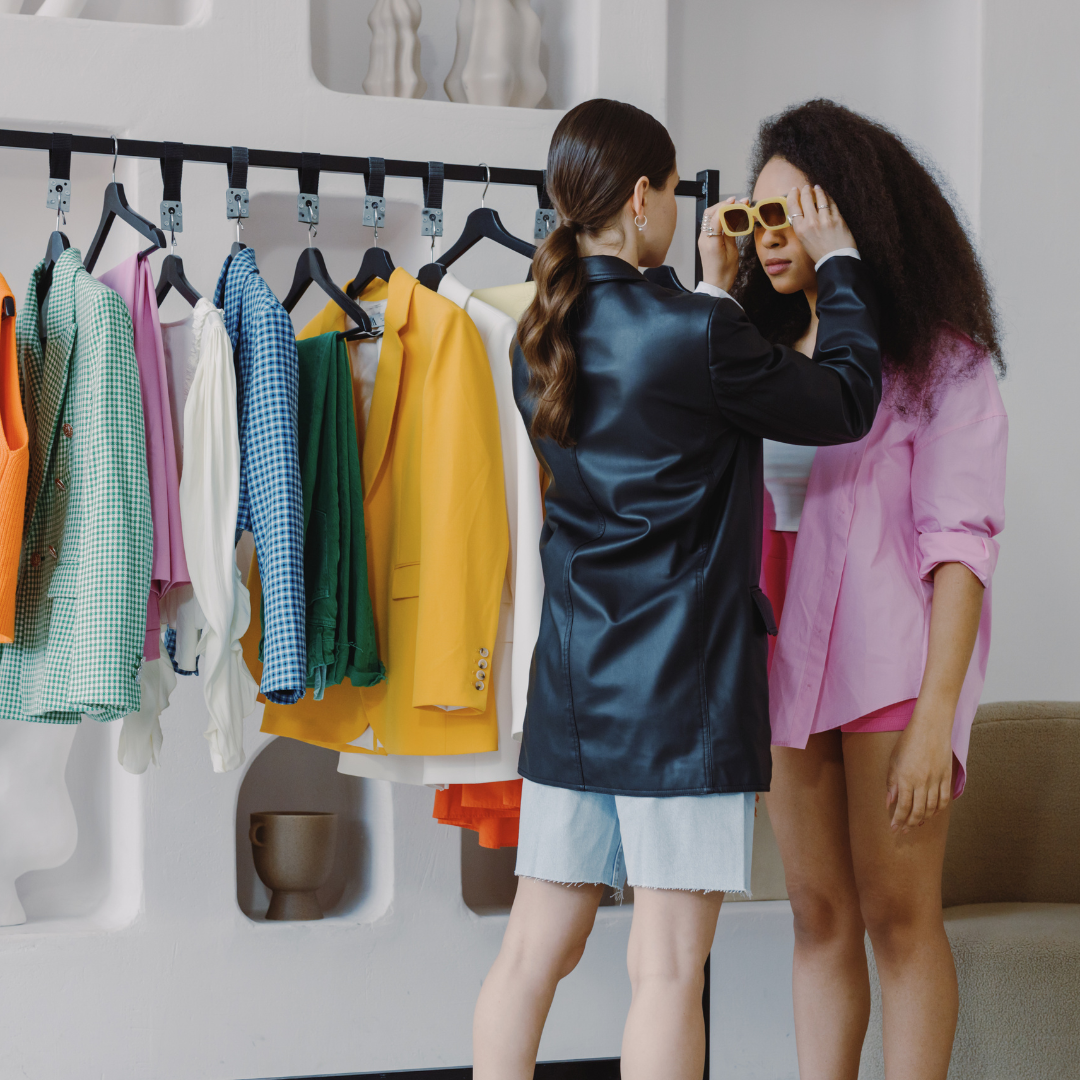
Creating a wardrobe that consistently reflects personal style can be challenging, but mastering a few styling basics makes it manageable. Understanding how to combine key pieces and accessories allows for the creation of versatile outfits that always work. With the right knowledge, anyone can feel confident in their clothing choices, simplifying daily decisions.
The foundation of any successful outfit lies in selecting the right staples. This includes timeless items that can be mixed and matched to suit various occasions. Outfit ideas can stem from understanding one’s personal style and recognising what works best with individual body shapes and preferences.
Accessorising plays a crucial role in elevating an outfit. By learning how to choose complementary accessories, individuals can transform simple looks into statement ensembles. This skill not only enhances personal style but also provides endless possibilities for creating outfits that impress.
Foundations Of Effortless Outfits
Creating effortless outfits begins with a strong foundation. Key elements include establishing a capsule wardrobe, prioritising wardrobe essentials, and selecting quality pieces that stand the test of time.
Building A Capsule Wardrobe
A capsule wardrobe simplifies outfit creation by focusing on a limited selection of carefully curated clothing items. This approach encourages versatility, allowing for easy mixing and matching.
To build a capsule wardrobe, consider the following steps:
- Choose a Colour Palette: Select a cohesive colour scheme that complements personal style.
- Incorporate Key Categories: Include tops, bottoms, outerwear, and dresses that cater to various occasions.
- Limit the Number of Items: Aim for around 30-40 pieces, ensuring they work well together.
This minimalist strategy not only streamlines decision-making but also enhances creativity in outfit assembly.
Wardrobe Essentials And Versatile Pieces
Wardrobe essentials form the backbone of any effective outfit strategy. These items are timeless and can transition seamlessly across seasons.
Key essentials might include:
- Classic White Shirt: A versatile piece that works for both casual and formal settings.
- Well-Fitted Jeans: A staple for numerous occasions, from relaxed outings to smart-casual events.
- Basic T-Shirts: Ideal for layering or wearing on their own.
Additionally, versatile pieces expand possibilities. Items such as a tailored blazer or a neutral cardigan can elevate an outfit while remaining adaptable to different styles.
Choosing Quality Over Quantity
Investing in quality clothing ensures longevity and maintains appearance over time. With a focus on craftsmanship, high-quality garments often look better and feel more comfortable.
When selecting quality pieces, consider:
- Fabric Choices: Opt for natural fibres like cotton, wool, or silk for durability and breathability.
- Construction Details: Examine stitching, seams, and overall design to assess quality.
- Timeless Styles: Choose classic cuts that won’t go out of fashion quickly.
Emphasising quality encourages a sustainable approach to fashion, resulting in fewer purchases and a more cohesive wardrobe.
Mastering Colour, Neutrals, And Patterns
Understanding how to effectively work with colour, neutrals, and patterns allows for the creation of versatile outfits. By selecting the right hues and shades, using neutrals wisely, and incorporating patterns thoughtfully, anyone can enhance their personal style.
Selecting Colours And Neutrals
Choosing the right colours is crucial in outfit creation. Primary colours like red, blue, and yellow offer bold statements, while secondary colours such as green, orange, and purple can create more complex palettes.
Neutrals serve as a foundation. Common neutrals include black, white, grey, beige, and navy. They provide balance and can be paired with brighter colours for an appealing contrast.
When selecting colours, consider skin tone and personal preferences. Warm tones suit individuals with golden undertones, while cool tones complement those with pink or blue undertones.
Mix And Match Techniques
Mixing and matching colours requires an understanding of colour theory. The colour wheel is a helpful tool; complementary colours sit opposite each other and create striking combinations, such as blue and orange.
Analogous colours, found next to each other on the wheel, offer a more subdued look. Examples include blue, teal, and green. Triadic colour schemes use three evenly spaced colours on the wheel, providing balance and energy.
A simple guideline for mixing is the 60-30-10 rule: 60% of the outfit in one dominant colour, 30% in a secondary colour, and 10% as an accent. This approach creates harmony and visual interest.
Incorporating Pattern And Contrast
Patterns add personality to outfits. Stripes, florals, and plaids can be incorporated to add depth. The key is to balance patterns with solids.
Pairing a patterned item with a neutral can ground the look. For instance, a floral blouse can be matched with solid trousers or a skirt.
Contrast can also be achieved by mixing different patterns. A floral pattern can complement a striped piece if the colours align. To do this successfully, ensure that the patterns vary in scale; combine bold, large patterns with smaller ones for a cohesive look.
Exploring Texture Within Outfits
Texture plays a significant role in creating visual interest. Fabrics such as cotton, wool, and silk have different tactile qualities that affect the overall appearance.
Combining textures, like pairing a chunky knit with smooth silk or denim, can create an appealing contrast. This approach adds depth to the outfit and enhances aesthetic appeal.
Accessories also provide an opportunity to introduce texture. Bags, shoes, and scarves can feature various materials that add richness.
Incorporate layering techniques to play with both colour and texture. A lightweight scarf can provide texture without overwhelming the look, making it easy to elevate any outfit.
Styling With Accessories And Statement Pieces
Accessories and statement pieces are essential elements that enhance any outfit, adding personality and flair. A well-chosen accessory can transform a simple look into something memorable.
Choosing The Right Shoes And Handbags
Footwear and handbags are crucial in tying an outfit together. The choice of shoes should reflect the occasion. For formal settings, opt for classic heels or sleek loafers. Casual outings may call for trendy trainers or elegant flats.
Handbags should complement the outfit’s colour scheme and style. A structured handbag works well for professional looks, while a cross-body bag suits a more relaxed atmosphere. When selecting shoes and bags, consider materials like leather for durability and visual appeal. Mix textures, like suede with polished leather, to create contrast.
Belts, Scarves, And Jewellery
Belts and scarves are versatile additions that can elevate an outfit. A well-fitted belt emphasises the waist and can add interest to a simple dress or oversized top. Explore options in different materials, like fabric or leather, to match the outfit’s tone.
Scarves serve both functional and aesthetic purposes. They can be wrapped around the neck, tied to a handbag, or used as a hair accessory. In terms of jewellery, layering pieces adds depth. Stacking rings or necklaces can enhance a basic outfit, while statement earrings draw attention and balance the overall look.
Integrating Statement Pieces
Statement pieces are bold items that stand out and define personal style. These could include a vibrant jacket, a patterned pair of trousers, or a unique skirt. The key is to allow one statement piece to take centre stage while keeping the remaining elements understated.
When integrating a statement piece, consider the outfit’s colour palette. Neutrals can help bold items shine without overwhelming the look. It’s also important to assess the context; a striking piece might not be suitable for a conservative workplace but could work perfectly for an evening event.
Attention To Details
It is the small details that often make the biggest impact. Paying attention to items like buttons, stitching, and even the fit of garments can elevate an outfit. Selecting accessories with unique features, such as ornate buckles or intricate patterns, can add character.
Additionally, matching metal finishes in jewellery and belts can create a seamless look. Consider the harmony of colours, ensuring that accessories complement rather than clash. Ultimately, the right details can transform an otherwise simple outfit into a polished ensemble, showcasing individuality and style sensibility.
Adapting Outfits To Your Personal Style
Finding a personal style is essential for creating outfits that resonate with individuality. By evaluating fashion choices, experimenting with different pieces, and considering professional guidance, one can refine their wardrobe effectively.
Evaluating Your Fashion Choices
To adapt outfits, one must first assess their current fashion choices. This involves identifying the styles that resonate personally and those that do not.
- Consider What Works: Analyse which pieces have earned consistent compliments.
- Identify Duplicates: Take note of similar items that may not serve a purpose.
- Lifestyle Compatibility: Ensure outfits align with daily activities—whether casual, formal, or transitional.
By documenting these aspects, a clearer understanding of personal style emerges.
Working With Dresses, Jackets, And Knitwear
Dresses, jackets, and knitwear are versatile components of a wardrobe. They can be styled variably to match personal flair.
- Dresses: Opt for solid colours or classic patterns that can be easily accessorised.
- Jackets: A tailored blazer can elevate a casual dress, while an oversized denim jacket adds a relaxed vibe.
- Knitwear: Chunky knit sweaters offer warmth and can be paired with skirts or tailored trousers for contrast.
Experimenting with combinations allows one to discover unique ensembles.
Affordable Styling And Thrifting
Thrifting is a smart way to enhance one’s wardrobe without overspending. It encourages creativity and personalisation.
- Unique Finds: Differentiate oneself by selecting items that aren’t mass-produced.
- Upcycling Options: Consider repurposing vintage items, such as cutting or altering them for a modern fit.
- Budgeting: Set a budget before thrifting to focus on key pieces rather than impulse buys.
This approach not only saves money but also cultivates a distinctive style.
When To Consult A Personal Stylist
Hiring a personal stylist can be beneficial when navigating wardrobe dilemmas.
- Styling Advice: They can provide tailored advice on what works for individual body shapes and colouring.
- Wardrobe Audits: A professional can help sort through existing garments, indicating what to keep or donate.
- Seasonal Trends: Staying current can be challenging; a stylist ensures the wardrobe reflects evolving trends while maintaining personal style.
Investing in such assistance may lead to a more cohesive and satisfying wardrobe.