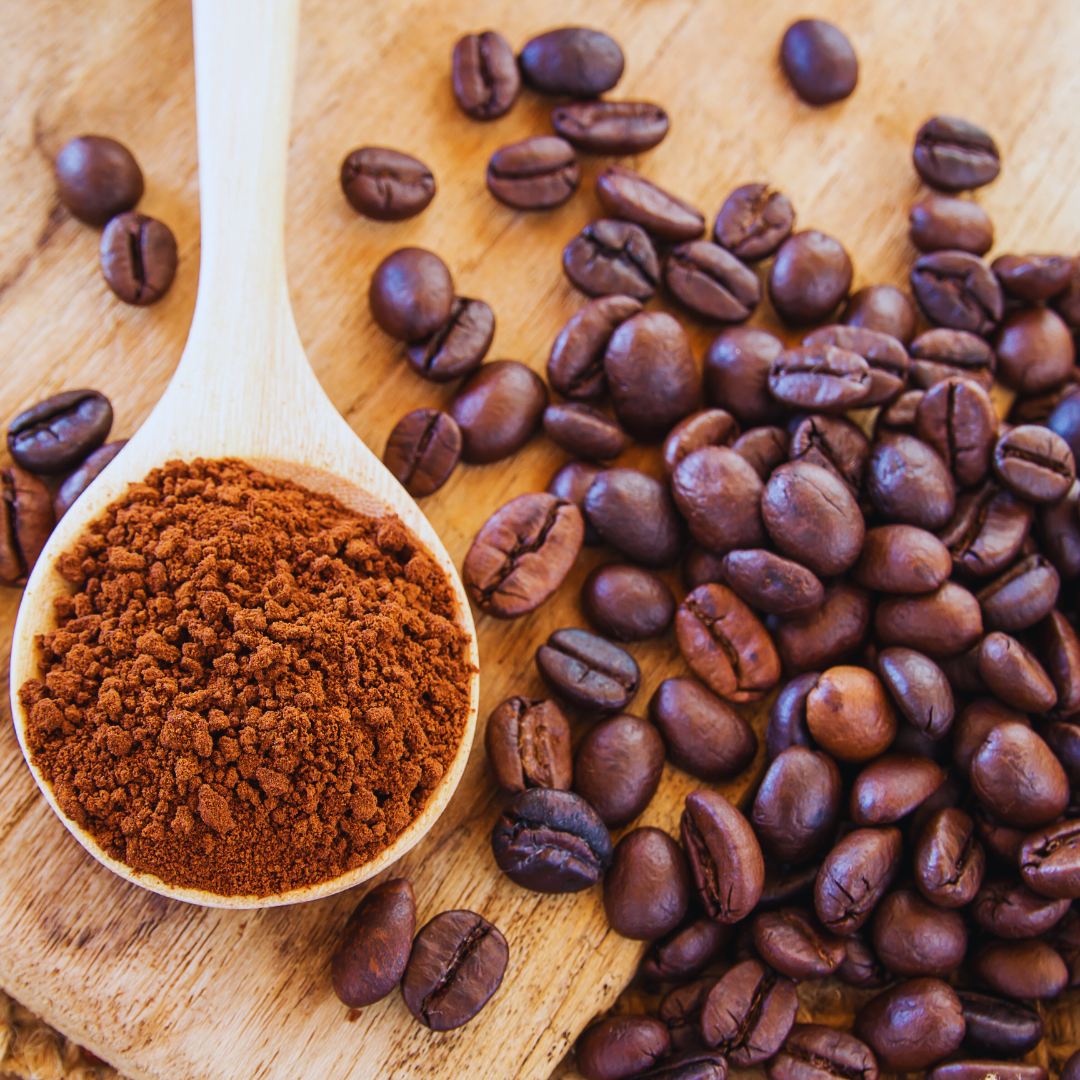
Caffeine has long been a popular stimulant, often used to enhance various aspects of daily life. Many athletes and fitness enthusiasts turn to caffeine for its reputed ability to improve exercise performance. Research shows that caffeine can increase endurance, reduce perceived exertion, and enhance overall athletic performance.
When consumed appropriately, caffeine may offer significant benefits before and during workouts. Its effects are not only limited to endurance activities; strength training and high-intensity interval training can also see improvements. As more individuals seek to optimise their performance, understanding the role of caffeine becomes increasingly pertinent.
The relationship between caffeine and exercise raises questions about safety and effectiveness. Knowing how to properly utilise caffeine can empower athletes to tailor their routines for better results. Engaging with this topic will provide valuable insights for anyone looking to elevate their training regimen.
The Role of Caffeine in Exercise Performance
Caffeine is recognised for its potential to enhance exercise performance across various modalities. Its effects can influence both aerobic and anaerobic activities, making it a versatile ergogenic aid. Understanding its impact, recommended dosages, and timing can optimise athletic results.
Caffeine as an Ergogenic Aid
Caffeine functions as an ergogenic aid by improving endurance, strength, and overall exercise performance. It stimulates the central nervous system, leading to increased alertness and reduced perception of effort. Studies indicate that caffeine can enhance endurance performances by 3-7%, particularly during prolonged activities such as running and cycling.
Athletes often report feeling less fatigued and more motivated to push through challenging workouts. Caffeine not only helps in enhancing physical output but also improves recovery processes post-exercise. For those looking for a convenient and portable alternative to traditional caffeine sources, Caffeine Pouches can offer a discreet option for boosting alertness before or during exercise. They are typically low in sugar and calories and can be used without preparation.
Types of Exercise Affected by Caffeine
Caffeine benefits various forms of exercise, including endurance sports like long-distance running, cycling, and swimming, as well as high-intensity activities such as sprinting and strength training. For endurance athletes, caffeine can significantly delay the onset of fatigue and increase time to exhaustion.
In strength training, caffeine has been shown to enhance muscle power and strength output, leading to increased performance in lifting heavier weights. The effectiveness may vary among individuals based on tolerance and habitual caffeine intake.
Caffeine Dosage and Timing
The optimal caffeine dosage for performance enhancement typically ranges from 3 to 6 milligrams per kilogram of body weight. Timing is crucial; consuming caffeine approximately 30 to 60 minutes before exercise maximises its benefits.
Individual responses to caffeine can differ significantly. Some might experience jitteriness or gastrointestinal issues, so gradual supplementation is advised. Caffeine’s effects also depend on the time of day, as circadian rhythms can influence overall performance outcomes.
Caffeine’s Physiological and Cognitive Impact
Caffeine has notable effects on both physiological performance and cognitive function during exercise. Its influence on muscle function enhances physical capability, while its role in cognitive performance can combat mental fatigue and improve focus.
Effect on Muscle Function and Energy
Caffeine ingestion significantly impacts muscle function. It enhances muscular endurance and strength by increasing the release of calcium ions. This process promotes more effective muscular contraction during exercise.
Additionally, caffeine functions as an adenosine receptor antagonist. This action decreases perceived exertion, allowing individuals to sustain higher levels of effort. Research indicates that caffeine can lead to improved performance in activities requiring both strength and endurance.
Athletes often report enhanced performance metrics, including increased power output and reduced fatigue. Regular intake could be beneficial for individuals participating in prolonged or high-intensity exercise sessions.
Cognitive Performance and Mental Fatigue
Caffeine plays a vital role in enhancing cognitive function, particularly in reducing mental fatigue. By blocking adenosine, a neurotransmitter linked to sleepiness, caffeine increases alertness and improves reaction time.
Studies have shown that caffeine can enhance cognitive ability, leading to better decision-making during exercise. Athletes often experience improved focus, which is crucial for maintaining performance under fatigue.
Moreover, caffeine can diminish feelings of tiredness, allowing individuals to push beyond their usual limits. This psychological edge can significantly impact competitive performance, making it a popular choice in sports nutrition.
Caffeine Consumption and Health Considerations
Caffeine consumption can impact various health aspects, particularly in the context of exercise. Understanding the implications of habitual use, the potential for anxiety, and the effects on sleep are crucial for athletes and fitness enthusiasts.
Habitual Use and Genetics
Habitual caffeine use varies among individuals and is significantly influenced by genetics. Certain genotypes, such as those involving the CYP1A2 and ADORA2A genes, play a pivotal role in how caffeine is metabolised.
Individuals with specific genetic polymorphisms may experience different responses to caffeine, affecting endurance and performance levels. For example, fast metabolisers might benefit more from caffeine during exercise, improving physical output and reducing perceived exertion. In contrast, slow metabolisers may encounter adverse effects, such as jitteriness or heart palpitations.
Anxiety and Performance Anxiety
Caffeine can exacerbate anxiety in some individuals, particularly those prone to performance anxiety. While it may enhance alertness, it can also lead to increased heart rate and nervousness. This response is crucial for athletes who may already be dealing with pre-competition stress.
For these individuals, even small amounts of caffeine could heighten anxiety levels, potentially impairing performance. Finding the right balance of caffeine intake is necessary for optimal performance, especially in high-stakes situations where calmness is vital.
Impact on Sleep and Arousal
Caffeine extends its influence on sleep quality and arousal. Consuming caffeine too close to bedtime can disrupt sleep patterns, leading to decreased overall sleep quality. This reduction in sleep can negatively affect recovery and performance in subsequent workouts.
Furthermore, caffeine can increase arousal, enhancing focus and energy. Yet, this effect can vary based on the timing and amount consumed. Athletes should monitor their caffeine intake to maintain an appropriate sleep schedule, balancing the benefits of alertness with the need for restorative rest.
Guidelines and Regulations in Sports Nutrition
Sports nutrition encompasses various guidelines that aim to optimise performance and ensure athlete safety. It is essential to understand recommended intake levels and the regulations governing substances such as caffeine.
Recommended Intake for Athletes
Caffeine is a widely used ergogenic aid in sports nutrition. Research indicates that doses of 3-6 mg of caffeine per kilogram of body weight can enhance performance, particularly in endurance activities. Athletes often obtain caffeine through energy drinks or dietary supplements.
It is vital to consider individual tolerance and the timing of caffeine consumption. Consuming caffeine approximately 30-60 minutes before exercise can maximise its benefits. Caution is advised, as excessive intake can lead to adverse effects, such as jitteriness and increased heart rate.
A meta-analysis of multiple studies affirms that caffeine can improve various aspects of sports performance. This includes increased endurance, improved reaction time, and reduced perception of effort. Therefore, athletes should carefully monitor their caffeine consumption to align with evidence-based guidelines.
World Anti-Doping Agency Regulations
The World Anti-Doping Agency (WADA) sets strict regulations concerning the use of performance-enhancing substances in sports. Caffeine was removed from the banned substances list in 2004 but continues to be monitored due to its potential for misuse.
WADA’s guidelines emphasise that athletes must be aware of the caffeine content in energy drinks and nutritional supplements. While moderate consumption is permissible, athletes can face sanctions for excessive intake that can be classified as stimulant abuse. Furthermore, systematic reviews suggest that adherence to these regulations is crucial for maintaining fairness in competition.
Athletes should remain informed about WADA’s annual updates. This ensures compliance and a clear understanding of what constitutes permissible caffeine levels within competitive settings.